

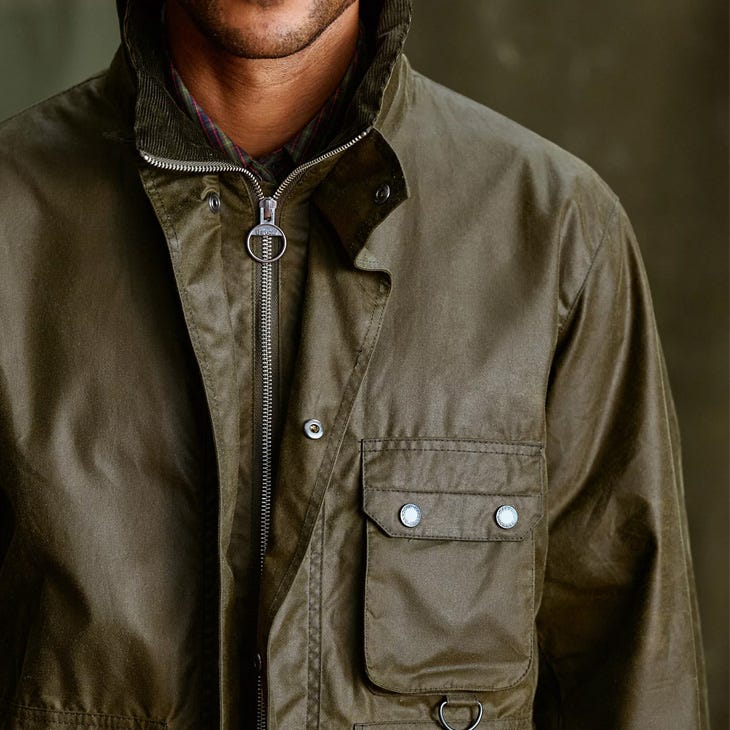
There are very few jackets that can plausibly claim to have earned the often cringey label of iconic without marketing inflation. The Barbour Bedale is one of them.
It’s also emblematic of how a brand once viewed as exclusive to the realm of cliched manly pursuits was transformed into a globally recognized leader in luxury outerwear by a woman's business savvy, style acumen, and a small celebrity endorsement from Princess Diana.
Dame Margaret Barbour, who famously held a career in teaching before taking the helm of Barbour from her husband after he died from a brain hemorrhage at age 29, originally designed and pushed the company to introduce the Bedale in 1980 as a shorter, more practical alternative to Barbour’s longer country coats, built with riders in mind — cropped length, rear vents, generous sleeves.

Much, if not all, of Barbour’s reputation as a globally recognized luxury outerwear brand today stems from the decision-making and design savvy of Dame Margaret Barbour, who took over as company leader after the tragic death of her husband, who was only 29.
She is responsible for designing both the Bedale jacket in 1980 and the Beaufort in 1983, as well as the brand’s exclusive Barbour tartan, along with her daughter Helen. Throughout her career, she’s received numerous awards, including being named a Commander of the Order of the British Empire in 1991 and receiving the Special Recognition Award from the British Fashion Council in 2024.
The version currently marked down at Orvis is not exactly the standard Bedale she created and most people recognize, though few observers would know it immediately.
Instead, it’s the Re-Engineered Bedale Utility Jacket — part of a broader effort, covered by British Vogue back in 2020, to subtly modernize Barbour’s core silhouettes without discarding what made them durable in the first place.
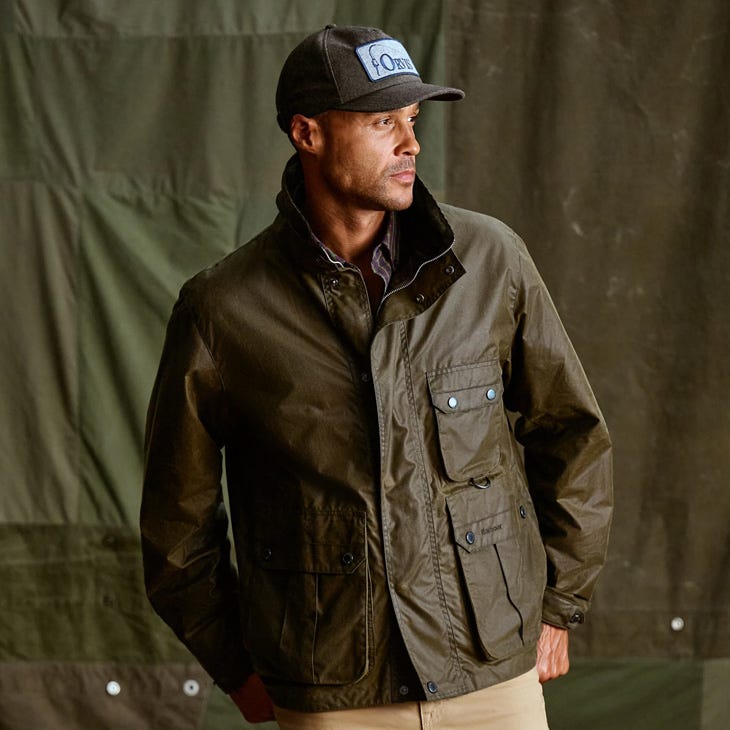
The updates here are restrained. The waxed cotton shell remains. The corduroy collar remains. The storm flap and bellows pockets remain. The greatest distinguishing detail is an extra pocket on the right breast.
It’s still recognizably a Bedale. It’s just slightly less indebted to countryside romanticism.
Functionally, nothing essential has been lost. Waxed cotton still blocks wind and light rain. The jacket still accommodates layers underneath. It still improves visually as creases and wear settle in. But it doesn’t feel like costume heritage. It feels practical.

A brief reality check: waxed jackets are not technical shells. They are heavier. They require occasional re-waxing. They can feel stiff at first. If your priority is breathable performance fabric, this isn’t the answer. If your priority is longevity — aesthetic and structural — it’s difficult to argue against the track record.
And while a lot of Barbour’s product photography leans male, the Bedale, in particular, has never really belonged to one side of the closet. The cut is boxy, the detailing pragmatic, the color palette restrained — all qualities that make it quietly gender neutral in practice. Worn oversized or closer to true size, over tailoring or denim, it adapts more than it dictates.
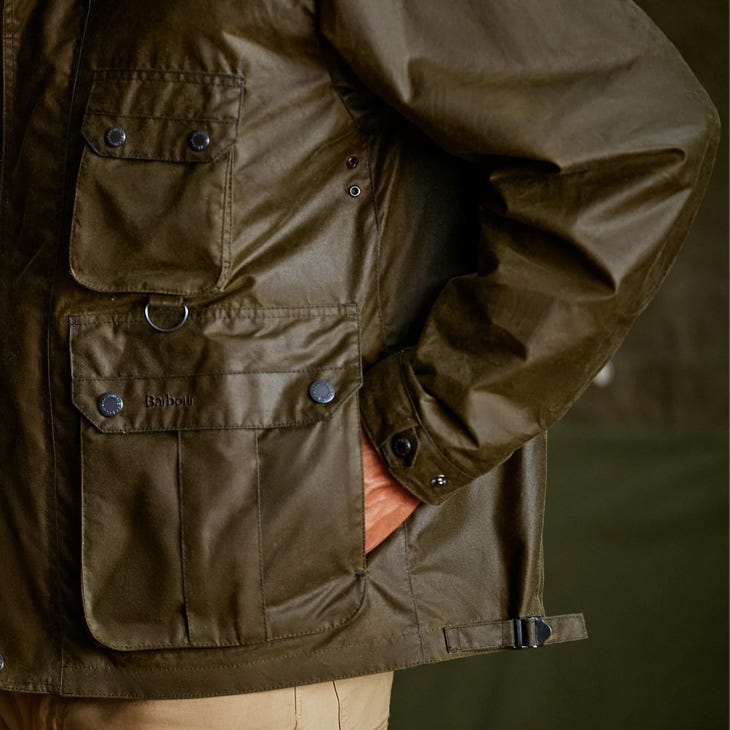
Unfortunately, like many modern reinterpretations, the upgrades and limited nature of this particular jacket make it more expensive. The standard Bedale costs $415. This version normally retails for $645 and, even on sale for $449, is still slightly pricier than the classic.
But whether you're paying full freight or snagging a sale, Barbour coats should sit firmly in “think it through” territory for anyone not fully enraptured by the brand’s mystique and heritage status.
There are simply too many other good-to-great waxed canvas jackets on the market offering similar looks and capabilities without the brand-name surcharge.
As long-time Barbour fans would retort, though, part of justifying the price comes from more than utility alone. There is a certain satisfaction in understanding firsthand what it feels like to wear a garment with this much cultural mileage and in knowing that, if cared for and occasionally re-waxed, it’s the kind of coat that doesn’t just last, but can realistically be handed down.
Where to Buy the Barbour Re-Engineered Bedale Utility Jacket For Less

