

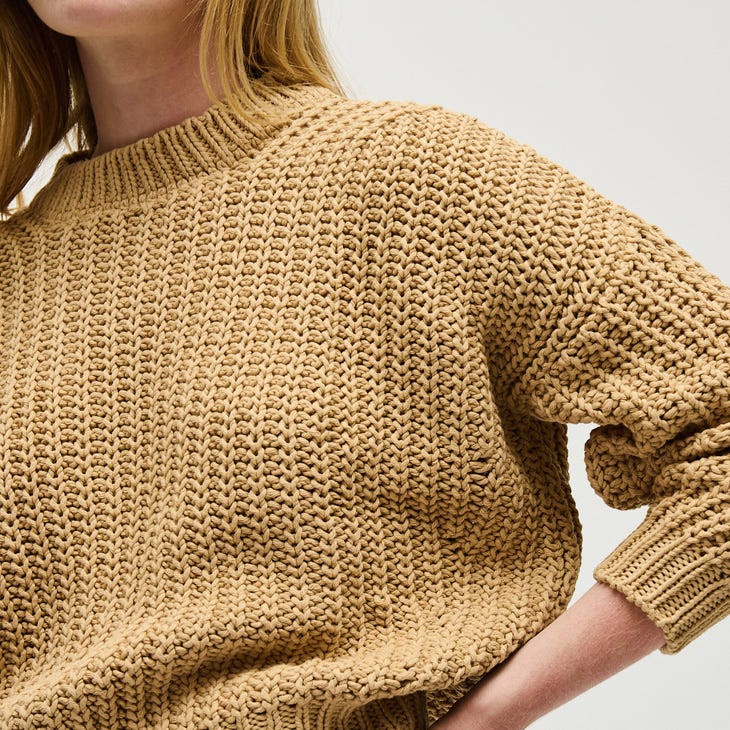
Some clothing brands are built through marketing. Others spread almost entirely through recommendation.
Babaà is one of those brands. The brand’s sweaters have built a cult following despite their steep price tags, which is exactly why this unusually deep sale opportunity, ranging from 35% to 50% is difficult to ignore.
Founded in Spain by textile designer Marta Bahillo, the knitwear label produces sweaters using natural fibers and small-batch manufacturing, leaning heavily on traditional Spanish textile regions and local production partners rather than global factory networks.
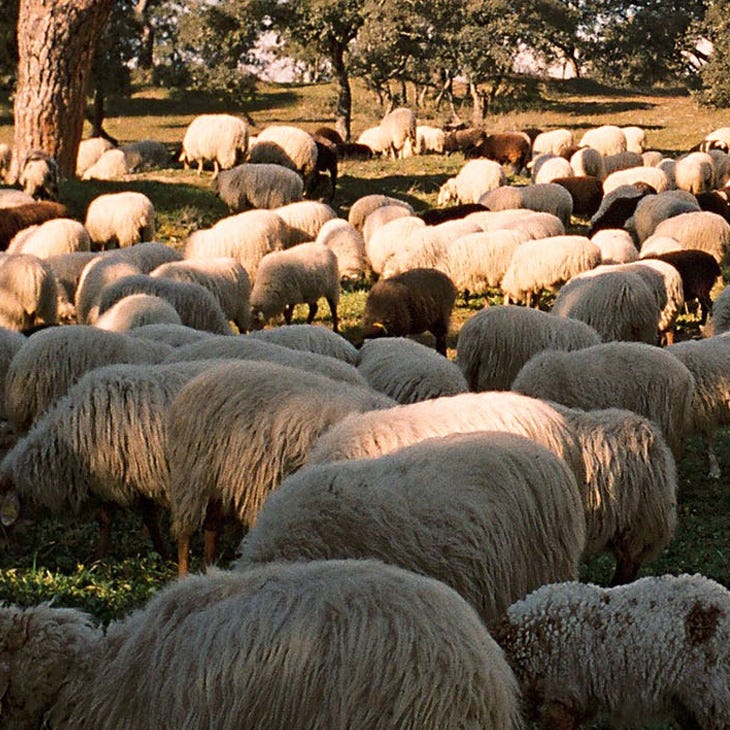
One consequence of this approach is that Babaà sweaters are staggeringly expensive compared to most chunky, oversized knits produced by fast-fashion brands — yet their hand feel, and longevity reflect the slower, material-driven production behind them.
That farm-to-fiber approach also occasionally reveals itself in small ways beyond their price and feel. As ridiculous as it sounds to anyone who has experienced a rural lifestyle, city slicker buyers have sometimes shared small moments of joy and surprise opening a newly delivered Babaà sweater to find a stray piece of hay caught in the knit — a quiet reminder that the wool began its life closer to pasture than factory floor.
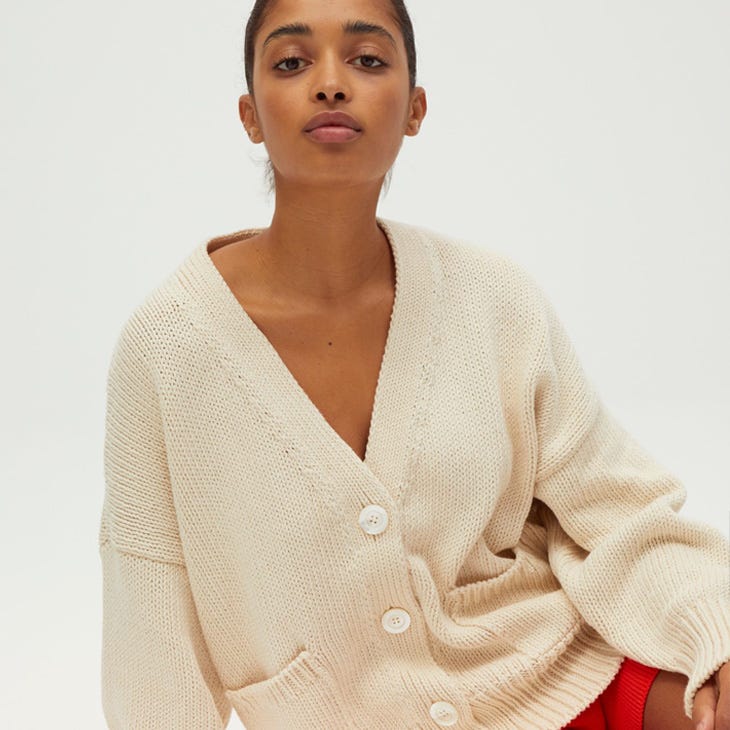
Over time, the brand has grown through a mix of word-of-mouth enthusiasm and steady visibility among stylists and style influencers who favor slower, more tactile wardrobes. The sweaters have also appeared on well-known admirers, including Cate Blanchett, Olivia Colman, and Anya Taylor-Joy, though Babaà’s reputation still feels driven more by the simple fact that people who buy the sweaters tend to wear them constantly.
The appeal is straightforward: chunky natural fibers, sculptural silhouettes, and colors that feel closer to a painter’s palette than a seasonal fashion trend.
Opportunity Rating: 9/10
A notably strong buying opportunity.
Babaà rarely offers discounts on its knitwear, but certain seasonal colors occasionally see significant markdowns during the line's color refresh. This is one of those moments. (Please note that all price estimates are based on current Euro-to-US-dollar conversion rates.)
Discount: ~39 to 50% (Strong to Rare)
Deal Frequency: Rare
Why It’s on Sale: Seasonal Clearance
Normal Retail Price: ~$567 to ~$332, depending on style, color, and material.
Current Price: ~$343–~$169, depending on style, color, and material
Retailer: Babaà.es
Availability: Multiple sweater silhouettes and colors
Why They Matter
What makes this product stand out?
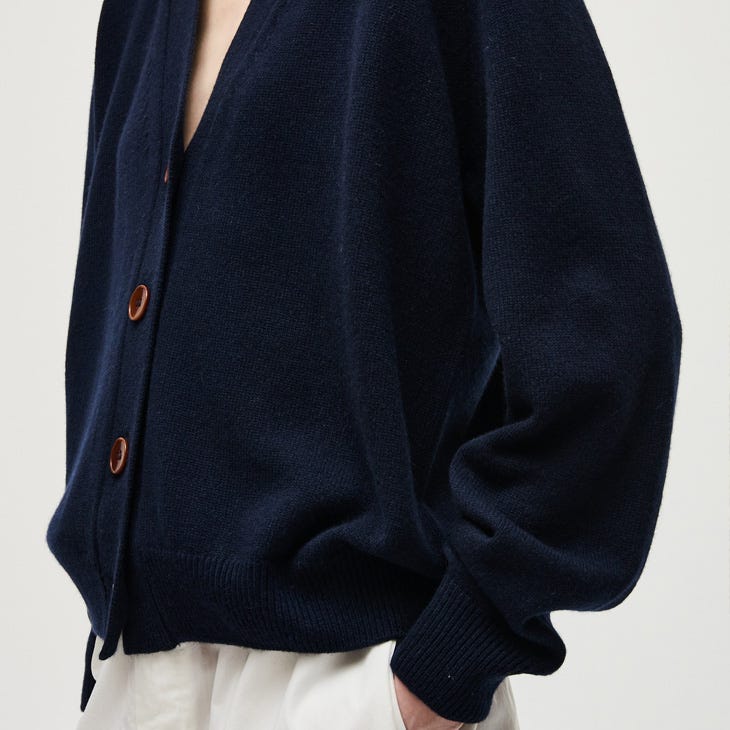
Babaà sweaters occupy a somewhat unusual niche in modern wardrobes.
Most contemporary knitwear emphasizes softness, sleekness, and easy layering. Babaà’s sweaters lean in the opposite direction — toward texture, structure, and visible materiality.
Many styles are knit from thick yarns that create the brand’s distinctive look:
Cropped or boxy silhouettes
Wide sleeves or bracelet-length cuffs
Dense ribbing that anchors the shape
Colors ranging from earthy neutrals to bright fruit-like tones
Another detail frequently mentioned by long-time owners is how the sweaters evolve with use.
Because the fibers are relatively minimally processed, Babaà knits can feel firm or structured when new. With wear and occasional washing, many owners say the yarn softens noticeably, and the knit relaxes slightly, giving the sweater a more broken-in look and feel over time.
In that sense, they behave a bit like raw denim or leather goods — improving gradually as they’re lived in.
The Fine Print
Key details about this specific opportunity.
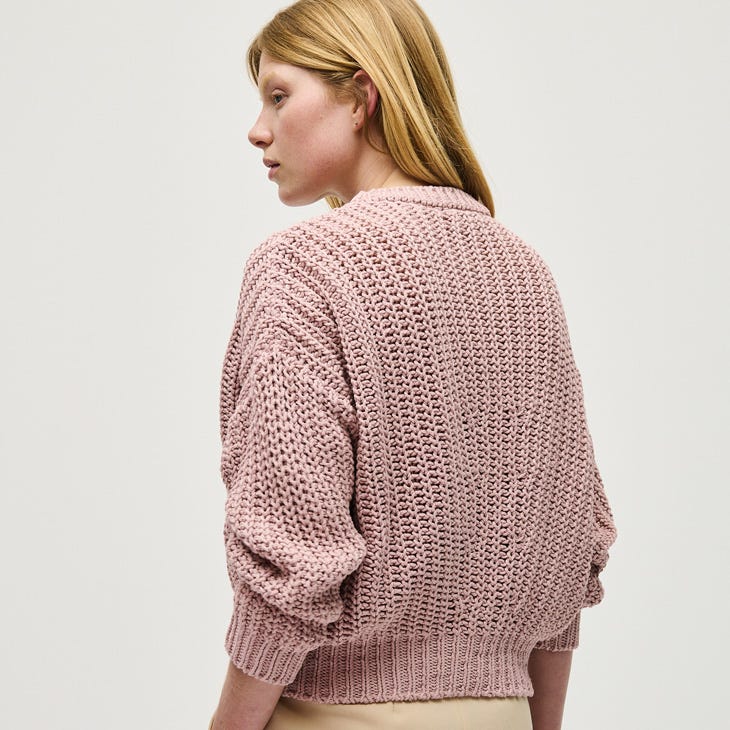
This seasonal sale applies to a range of Babaà sweaters rather than a single model, including several jumper and cardigan silhouettes across multiple seasonal colors. Another piece of good news here is that shipping is free worldwide on all orders over $100, which you’ll automatically hit if you purchase a sweater.
Babaà’s shipping information page also clarifies that they pay the import duties on behalf of all USA & UK shoppers, so you don’t have to worry about additional fees down the road.
Choosing which of the brand’s sweaters makes the most sense for you can be slightly tricky when shopping online because the company’s design philosophy intentionally breaks a few conventional rules.
Most styles are produced using a one-size-fits-most approach, relying on oversized silhouettes rather than traditional sizing. That means the same sweater can look dramatically different depending on body shape, height, and personal styling.
That said, based on our experience, a few details are worth paying attention to when choosing the right sweater, including:
Material: wool vs. cotton
Babaà produces sweaters in both fibers. Wool versions tend to feel denser and warmer, while cotton knits are slightly lighter and more breathable.
Sleeve length
Some designs feature intentionally cropped sleeves, while others have longer arms. This detail can significantly alter the sweater's overall balance.
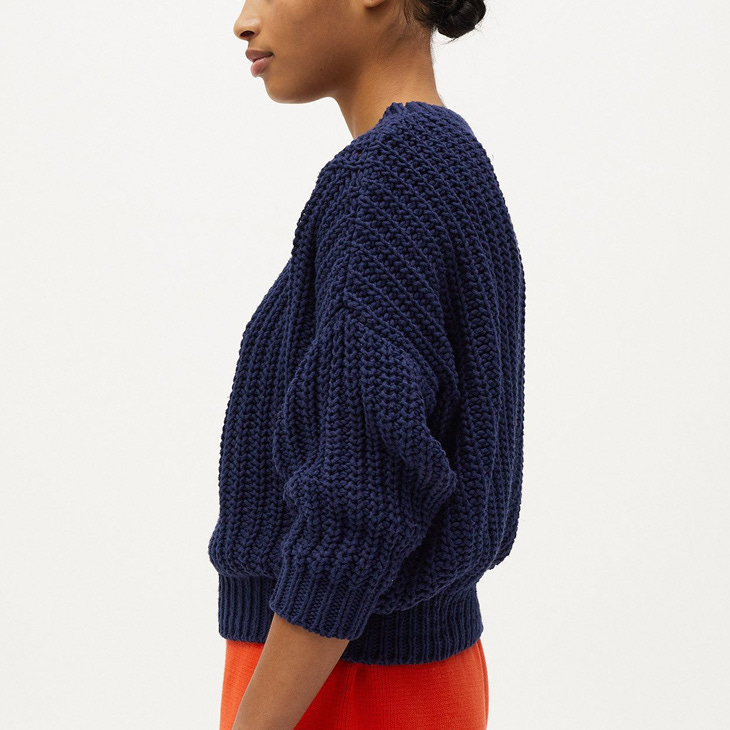
Ribbing and structure
Heavy ribbing at the waist and cuffs helps control the oversized silhouette, while softer ribbing creates a looser drape.
Overall proportions
Some sweaters are quite cropped and boxy, while others resemble more traditional cardigan or pullover shapes.
Because of the brand’s one-size philosophy, it’s worth carefully reviewing product photos and measurements to understand how a particular style might fit your frame.
Second Opinions
What other experts and influencers think of them.
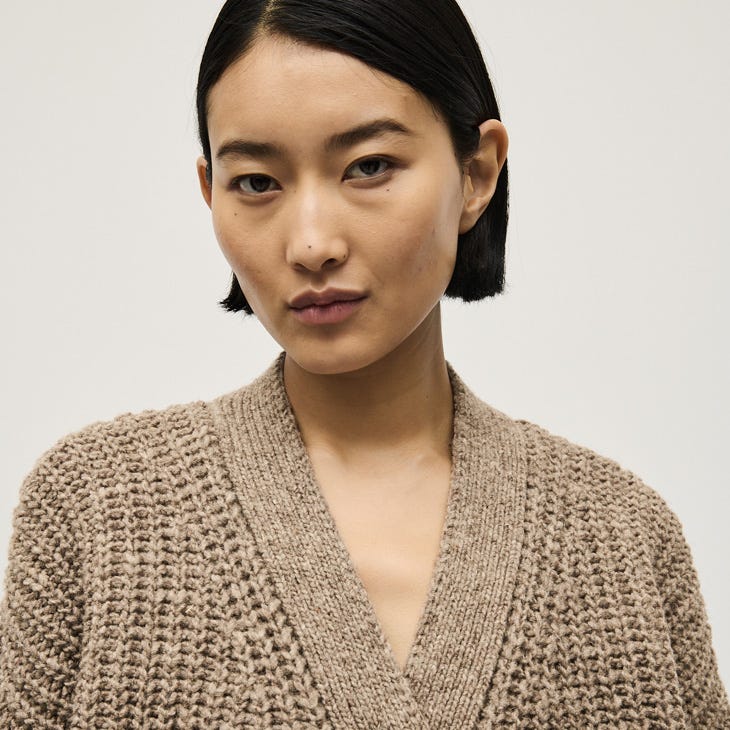
Style experts who spend time with Babaa knitwear tend to highlight the same qualities: weight, texture, and versatility.
Hilary Hagerman, a managing editor at Yahoo! Style, compared Babaà sweaters with brands like Everlane and Tradlands and confirmed the obvious - that Babaà’s knits felt noticeably heavier and more substantial than most minimalist sweaters.
In The Cut, Harling Ross Anton described a Babaa cardigan as a piece she keeps permanently at her desk because she reaches for it so often.
The common theme is that Babaa sweaters tend to become repeat-wear garments rather than occasional wardrobe items.
Pricing Context
Just how good of a discount is this?
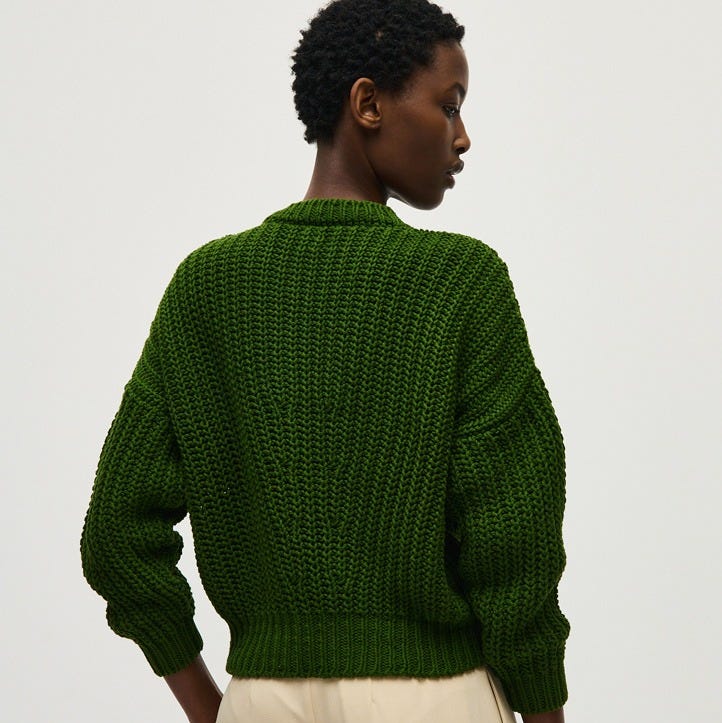
Babaà’s knitwear pricing tends to be relatively stable. Most sweaters typically retail for about $330–$360, with heavier styles occasionally climbing into the $550+ range.
The current promotion represents significantly deeper discounts than the brand usually offers. Based on the listed euro pricing and approximate currency conversion to U.S. dollars, many of the sweaters are discounted by roughly 35–50%.
Examples include:
Cardigan No.18 — about $350 → $210 (~40% off)
Jumper No.18 — about $335 → $170 (~50% off)
Cardigan No.19 — about $350 → $210 (~40% off)
Cardigan No.22 — about $350 → $220 (~37% off)
Cardigan No.26 — about $360 → $215 (~40% off)
Cardigan No.86 — about $330 → $200 (~39% off)
Cardigan No.86 (alternate color) — about $350 → $175 (~49% off)
Cardigan No.91 — about $560 → $340 (~39% off)
In other words, this isn’t the modest markdown Babaa occasionally applies to a few seasonal colors. Many of the pieces in this sale fall squarely into the strong-to-deep discount range, which is relatively uncommon for the brand’s core knitwear.
The Bottom Line
Who should consider this?
Babaà sweaters have always asked buyers to swallow a slightly sobering price tag in exchange for natural fibers, small-batch Spanish production, and silhouettes that feel intentionally different from the typical oversized knit.
At full price, that calculation can require some conviction.
With many of these pieces now discounted by roughly 35–50%, the equation changes considerably. The current sale brings several of the brand’s signature sweaters down into a price range much closer to what many mid-tier labels charge for mass-produced knits.
If you’ve been curious about Babaà but hesitant about the cost, this is the kind of moment that makes trying one far easier to justify. Just pay close attention to the silhouette and material details — because once people find the Babaà sweater that works for them, they tend to wear it a lot.
